Mitsubishi A6M Zero
Type 0 Carrier-borne Fighter (A6M, Type 0)
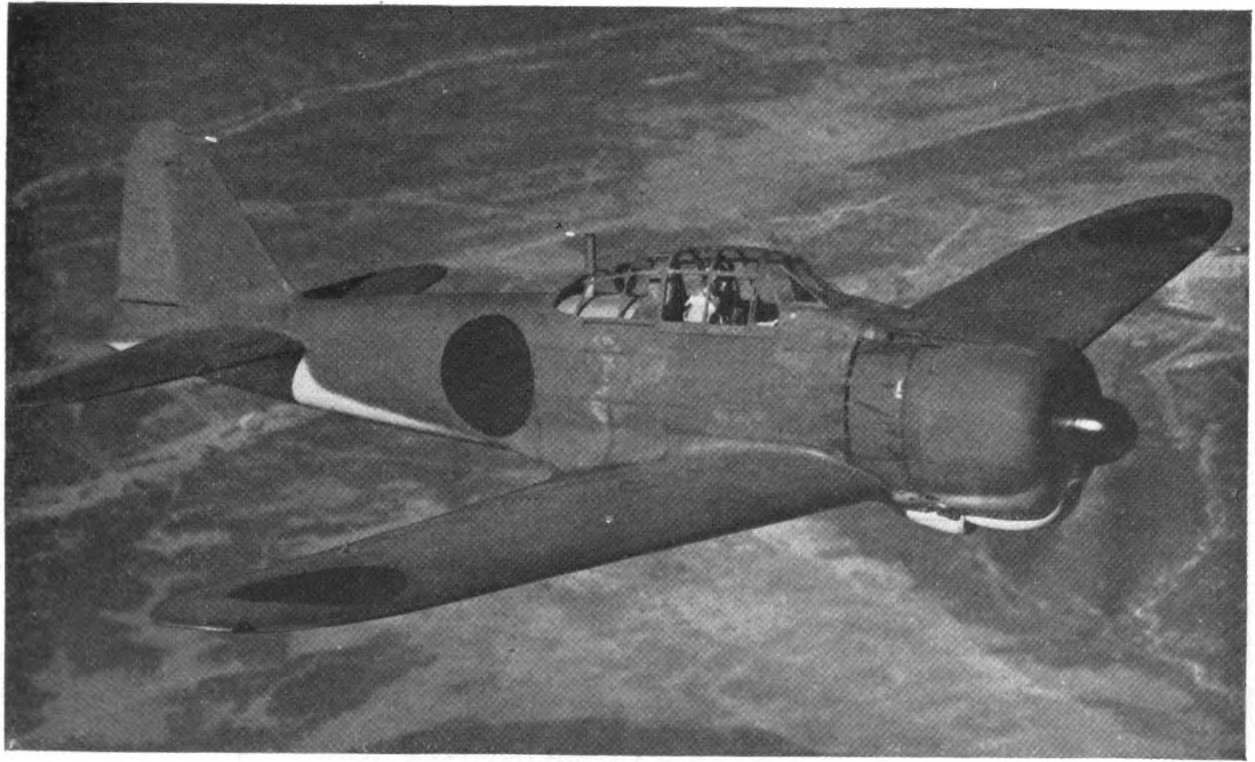
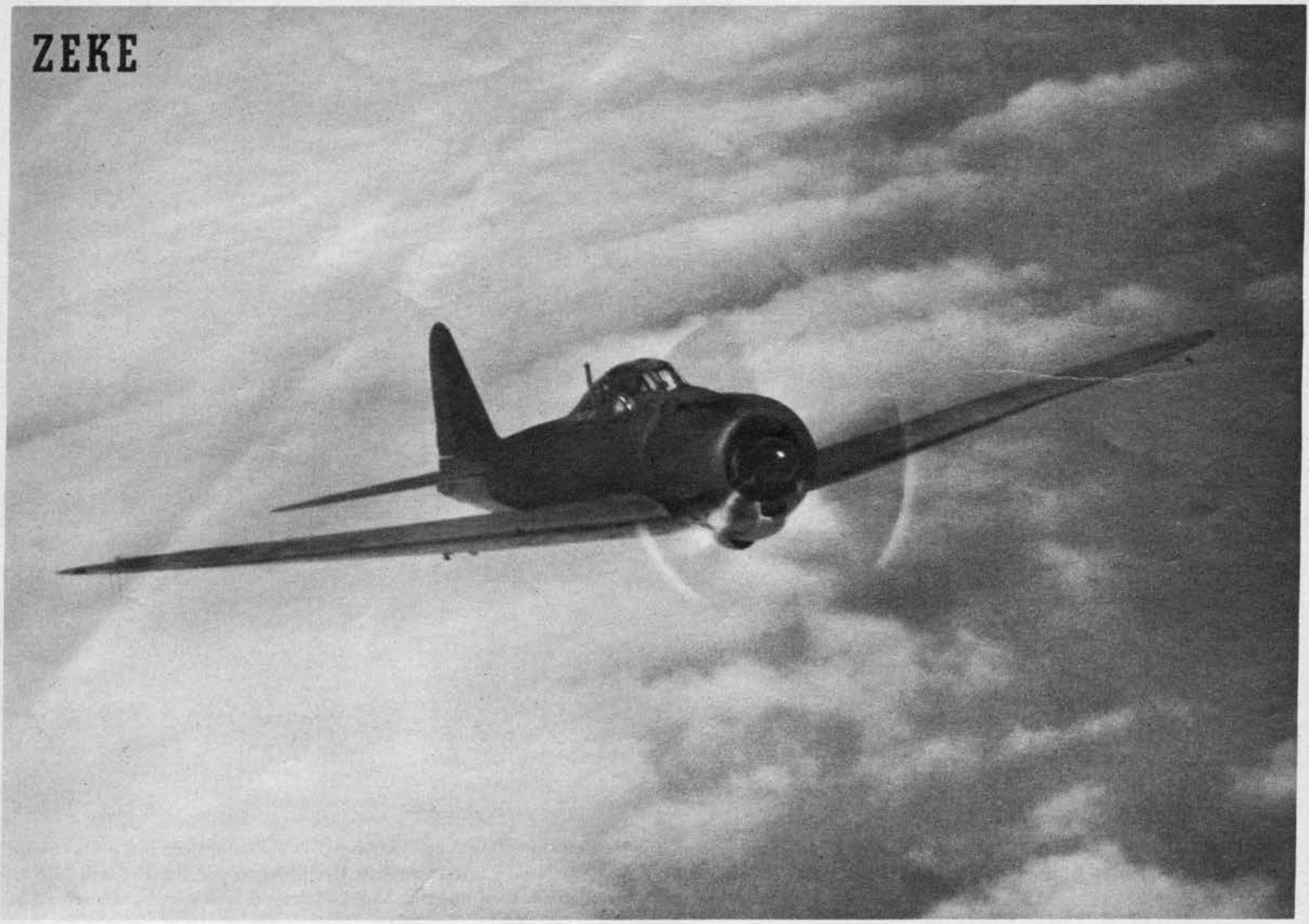
Wartime US and British reports usually called it the “Zeke”.
Carrier fighter, Japan, as described in 6 wartime documents.
Also written as Zero, Zero Zero, Type Zero, Mitsubishi Zero, Hamp.
Key figures
The latest figure printed for each. Select one to see every value, its quoted sentence and its page.
- Crew
- 1Zeke 52, 1945 source, 2 values
- Span
- 36.2 ftZeke 32 (Hamp), 1945 source, 3 values
- Length
- 29.8 ftZeke 52, 1945 source, 3 values
- Height
- 9.2 ftZeke 52, 1945 source
- Wing area
- 233 sq ftZeke 32 (Hamp), 1945 source, 2 values
- Weight (empty / loaded)
- 6,600 lb gross (overload)Zeke 52, 1945 source, 3 values
- Horsepower
- 1,115 hp take-off (sea level)Zeke 32 (Hamp), 1945 source, 2 values
- Maximum speed (with altitude)
- 340 mph (flight test)Zeke 52, 1945 source, 2 values
What the sources say
The Japanese navy's carrier-borne fighter was called 'Zeke' by Allied recognition manuals. The 1944 Journal of Recognition calls the original 'Zero,' Zeke, the backbone of Japanese fighter strength [3]. The Japanese Type 0 designation refers to the Japanese year 2600, which the 1944 handbook equates with 1940 [5]. The 1943 FM 30-30 recognition sheet describes a low-wing radial monoplane with no armor protection for the pilot, and gives a top speed of 326 mph at 16,000 ft [1]. The 1945 TAIC performance sheets give the Zeke 32 (Hamp) a service ceiling of 39,800 ft, and the Zeke 52 a 340 mph flight-test speed and a 35,100 ft service ceiling [2].
Specifications, source by source
Every figure as the document printed it, with the sentence it came from and a link to the page. Values run from the earliest source to the latest. 5 figures changed over time, as new models appeared and intelligence improved. On 1 attribute, sources from the same year disagree; those rows are marked in amber.
| Attribute | Value as printedSource and quoted text |
|---|---|
| Role | Duty fighterZeke 52 TAIC Manual No. 1: Japanese Aircraft Performance and Recognition (1945), p. 27“Duty Fighter” |
| Crew | 1Zeke 32 (Hamp) TAIC Manual No. 1: Japanese Aircraft Performance and Recognition (1945), p. 23“Engines 1 Crew 1” 1Zeke 52 TAIC Manual No. 1: Japanese Aircraft Performance and Recognition (1945), p. 27“Engines 1 Crew 1” |
| SpanChanged over time | 39 ft 5 in (12.0 m)Zeke Mk 1 (Type 0 Mk 1 F) FM 30-30 Aircraft Recognition Pictorial Manual (1943), p. 151“SPAN: 39 fr. 5 in.” 36.1 ft (11.0 m)Zeke 52 TAIC Manual No. 1: Japanese Aircraft Performance and Recognition (1945), p. 27“Span 36.1' Length 29.8*” 36.2 ft (11.0 m)Zeke 32 (Hamp) TAIC Manual No. 1: Japanese Aircraft Performance and Recognition (1945), p. 23“Span 36.2 Length 29.8” |
| LengthChanged over time | 30 ft 3 in (9.2 m)Zeke Mk 1 (Type 0 Mk 1 F) FM 30-30 Aircraft Recognition Pictorial Manual (1943), p. 151“LENGTH: 30 ft. 3 in.” 29.8 ft (9.1 m)Zeke 32 (Hamp) TAIC Manual No. 1: Japanese Aircraft Performance and Recognition (1945), p. 23“Span 36.2 Length 29.8” 29.8 ft (9.1 m)Zeke 52 TAIC Manual No. 1: Japanese Aircraft Performance and Recognition (1945), p. 27“Span 36.1' Length 29.8*” |
| Height | 9.2 ft (2.8 m)Zeke 52 TAIC Manual No. 1: Japanese Aircraft Performance and Recognition (1945), p. 27“Height 9.2' Wing area230 sq.ft” |
| Wing areaChanged over time | 230 sq ft (21.4 m2)Zeke 52 TAIC Manual No. 1: Japanese Aircraft Performance and Recognition (1945), p. 27“Wing area230 sq.ft” 233 sq ft (21.6 m2)Zeke 32 (Hamp) TAIC Manual No. 1: Japanese Aircraft Performance and Recognition (1945), p. 23“Height 9*2' Wing area 233” |
| Weight (empty / loaded)Same-year sources disagree | 4,236 lb empty (1,921 kg)Zeke 52 TAIC Manual No. 1: Japanese Aircraft Performance and Recognition (1945), p. 27“Empty 4236” 6,026 lb gross (normal) (2,733 kg)Zeke 52 TAIC Manual No. 1: Japanese Aircraft Performance and Recognition (1945), p. 27“Gross Normal 6026” 6,600 lb gross (overload) (2,994 kg)Zeke 52 TAIC Manual No. 1: Japanese Aircraft Performance and Recognition (1945), p. 27“Overload 6600” |
| Engine | Nakajima Sakae 31 A, 14-cylinder air-cooled radialZeke 52 TAIC Manual No. 1: Japanese Aircraft Performance and Recognition (1945), p. 27“Model Sakae 31 A” Nakajima Sakae 21, 14-cylinder air-cooled radialZeke 32 (Hamp) TAIC Manual No. 1: Japanese Aircraft Performance and Recognition (1945), p. 23“Model Sakae 21” |
| Horsepower | 1,120 hp take-off (sea level)Zeke 52 TAIC Manual No. 1: Japanese Aircraft Performance and Recognition (1945), p. 27“Take-off 1120 S.L.” 1,115 hp take-off (sea level)Zeke 32 (Hamp) TAIC Manual No. 1: Japanese Aircraft Performance and Recognition (1945), p. 23“Take-off 1115 S.L.” |
| Maximum speed (with altitude)Changed over time | 326 mph at 16,000 ft (525 km/h at 4,877 m)Zeke Mk 1 (Type 0 Mk 1 F) FM 30-30 Aircraft Recognition Pictorial Manual (1943), p. 151“APPROX, SPEED: 326 m. p. h. at 16,000 fr.” 340 mph (flight test) (547 km/h)Zeke 52 TAIC Manual No. 1: Japanese Aircraft Performance and Recognition (1945), p. 27“A maximum speed of only 340 mph has been obtained in” |
| Service ceilingChanged over time | 33,000 ft (10,058 m)Type 0 (1942 handbook, first-line) TM 30-480 Handbook on Japanese Military Forces (1942), p. 147“33,000-foot ceiling..” 38,500 ft (11,735 m)Zeke Mk 1 (Type 0 Mk 1 F) FM 30-30 Aircraft Recognition Pictorial Manual (1943), p. 151“38,500 ft.” 39,800 ft (12,131 m)Zeke 32 (Hamp) TAIC Manual No. 1: Japanese Aircraft Performance and Recognition (1945), p. 23“Service ceiling 39,800'” 35,100 ft (10,698 m)Zeke 52 TAIC Manual No. 1: Japanese Aircraft Performance and Recognition (1945), p. 27“Service ceiling 35 ,100'” |
| Armament | Two to four guns mounted in each wing on some examples US Army-Navy Journal of Recognition, Jan-Apr 1944, p. 116“Others encountered recently had two to four guns mounted in each wing.” 2 x 7.7 mm. forward gunsZeke 32 (Hamp) TAIC Manual No. 1: Japanese Aircraft Performance and Recognition (1945), p. 24“2 x 7.7 mm.” |
| Armor | No armor protection for pilotsZeke Mk 1 (Type 0 Mk 1 F) FM 30-30 Aircraft Recognition Pictorial Manual (1943), p. 151“weakness: no armor protection for pilots or” Some Zekes fitted with armor and increased firepower US Army-Navy Journal of Recognition, Jan-Apr 1944, p. 116“Some Zekes have both armor and increased firepower.” |
| Recognition features | Radial engine, low-wing monoplaneZeke Mk 1 (Type 0 Mk 1 F) FM 30-30 Aircraft Recognition Pictorial Manual (1943), p. 151“DISTINGUISHING FEATURES: Radial engine, low-wing” |
What Allied intelligence knew, and when
The handbook equates the Type 0 designation (Japanese year 2600) with 1940. The 'Zero' name comes from this designation.
TM-E 30-480 Handbook on Japanese Military Forces (1944), p. 70
FM 30-30 recognition sheet for 'Zeke (Zero) Type 0 Mk 1 F', dated April 1943, 'from data currently available'.
FM 30-30 Aircraft Recognition Pictorial Manual (1943), p. 151
Intelligence bulletin reports a Japanese strike of 30 Betty bombers escorted by Zekes.
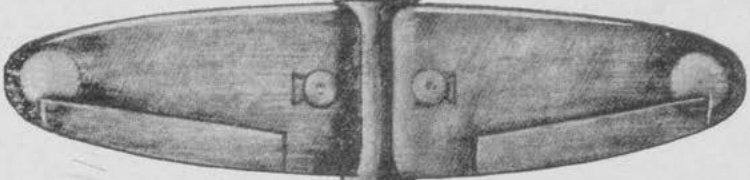
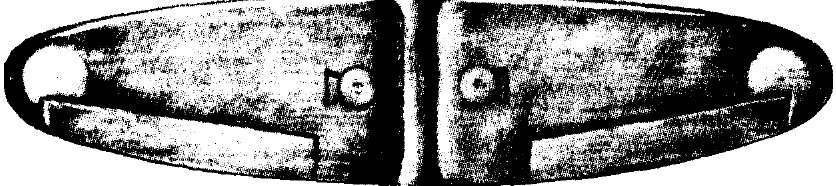
Photographs and drawings
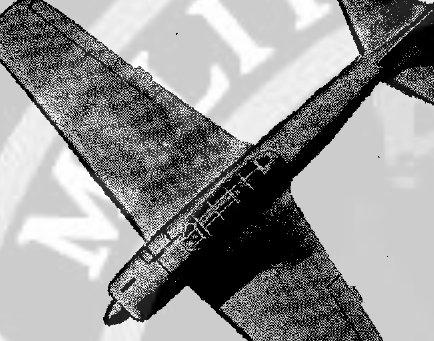
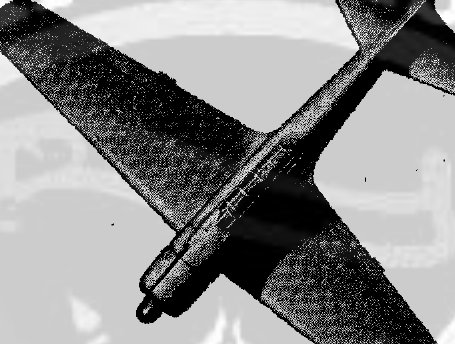
Cropped from wartime documents, including some not otherwise cited on this page. Each caption says what the picture is and links to the page it was printed on.


More aircraft
Sources
- [1]FM 30-30 Aircraft Recognition Pictorial Manual (1943). Page cited: 151. Not on this site yet; links go to the page on the Internet Archive.
- [2]TAIC Manual No. 1: Japanese Aircraft Performance and Recognition (1945). Pages cited: 5, 23, 24, 27. Not on this site yet; links go to the page on the Internet Archive.
- [3]US Army-Navy Journal of Recognition, Jan-Apr 1944 (1944). Pages cited: 47, 116. Not on this site yet; links go to the page on the Internet Archive.
- [4]TM 30-480 Handbook on Japanese Military Forces (1942). Page cited: 147. Not on this site yet; links go to the page on the Internet Archive.
- [5]TM-E 30-480 Handbook on Japanese Military Forces (1944). Page cited: 70. Not on this site yet; links go to the page on the Internet Archive.
- [6]Intelligence Bulletin, Vol. 3 No. 12 (1945). Page cited: 69. Not on this site yet; links go to the page on the Internet Archive.